
Design and Technology
Discover how D&T at Hougang Secondary builds design thinking and hands-on skills. Explore the curriculum, enrichment activities, and creative workshops on offer.

D&T CURRICULUM
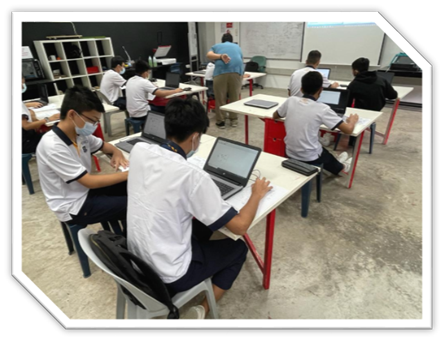
Design & Technology (D&T) emphasises thinking through sketching to generate and develop design solutions, exploration and experimentation of ideas through cognitive and hands-on endeavour of making (mock-ups and prototypes) so as to seek practical and appropriate design solutions for a situation taking into account user needs.
D&T education in Hougang Secondary aims to nurture in our students a designerly dispositions which are inherent in design practices – through designing and making. The designerly dispositions would allow them to:
embrace uncertainties and complexities
be cognizant of and resolve real-world, ill-defined problems
relentless drive to seek out how things work
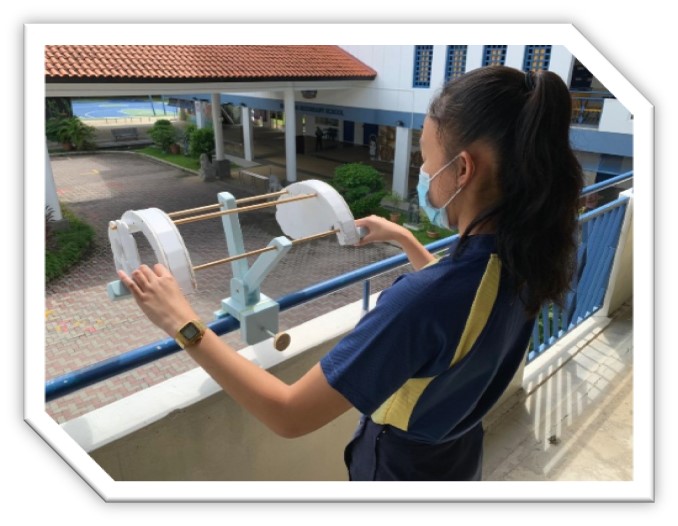
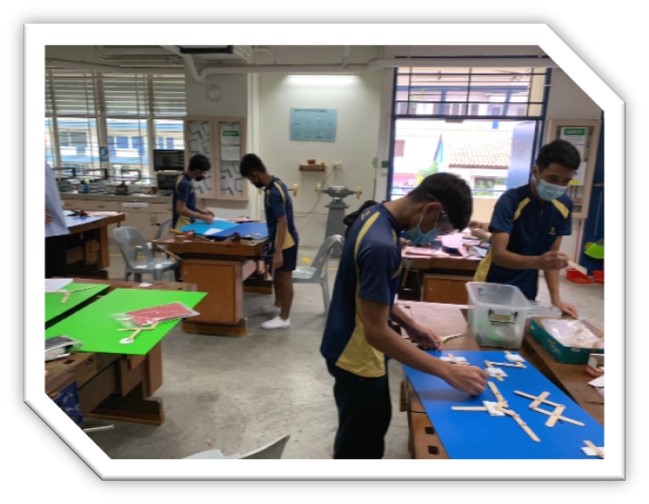
use of doodling and sketching, and 3D manipulation of resistant materials as a language for visualisation, communication and presentation
ENRICHMENTS
Ignite Challenges
The D&T students participates in IgnITE challenge at ITE. Organised by the Institute of Technical Education (ITE), the IgnITE Skills Challenge is an annual competition that presents students to technical abilities and nurtures a deeper appreciation of courses offered by ITE. Challenges are intended to be appealing and fun, for the joy of learning.
Daedalus Challenge
Create a Glider using Computer-Aided Design (CAD) Software
Develop skills in using CAD software to design and assemble an aerodynamic glider that can clear obstacles.
Ignite Challenge – Dream Glider
In semester 1, the D&T students participated in the Flying Saucer IgnITE challenge at ITE central.
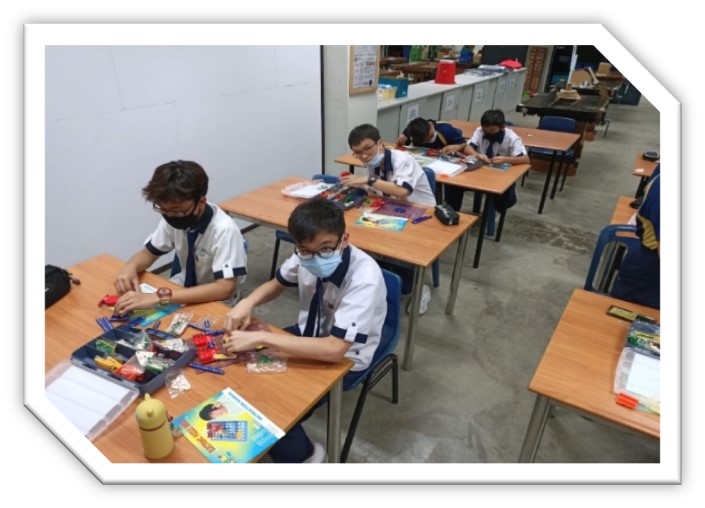
The objective of this program is to allow our students to work with electronics components and interpret circuit diagrams. Students also gained hands-on experience in taking electrical measurements.
A total of 12 students in 4 teams participated in the Challenge. They constructed a circuit based on the given circuit diagram. The task also required the participants to demonstrate the operation of the circuit, taking measurement and recording of the voltages of electronic components.
At the final event, teams competed in the launching and landing of their ‘Flying Saucers’ accurately. The teams with the best scores will qualify for the finals. The teams were scored according to their
Speed of assembly
Circuit functionality
Accuracy of measurements
Landing accuracy
Skill Level 1: Identify the electronics components and their functions
Skill Level 2: Interpret circuit diagram
Skill Level 3: Connect an electronics circuit with blinking LED and motor.
HS InnoLab
The HS InnoLab is a place where students design, experiment, build and create. It contains elements of a workshop, computer lab, craft room as well as the science lab. Students get to engage in science, engineering and tinkering.
T-shirt Printing
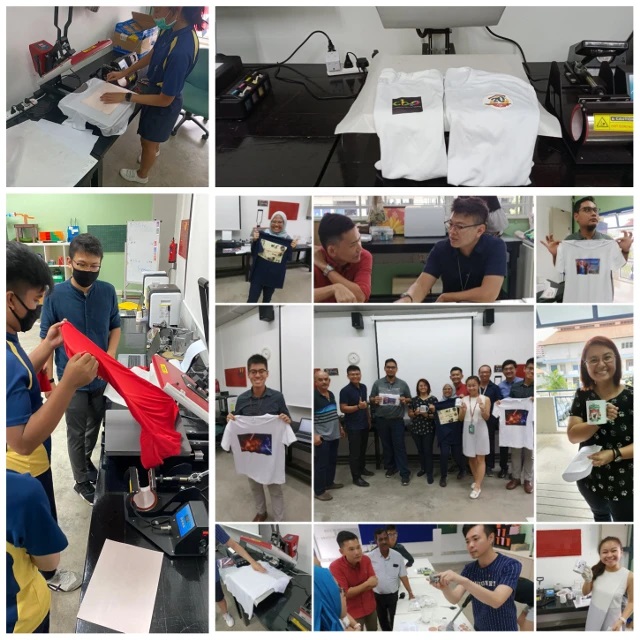
We learn two new techniques to print T-shirts which includes sublimation prints as well as heat transfer. We use each depending on the material as well as colour requirements and design of the T-shirt. Teachers and students have such a good time learning these techniques as part of school projects, such as Gear Up, or as personal hobby.
Mug Printing
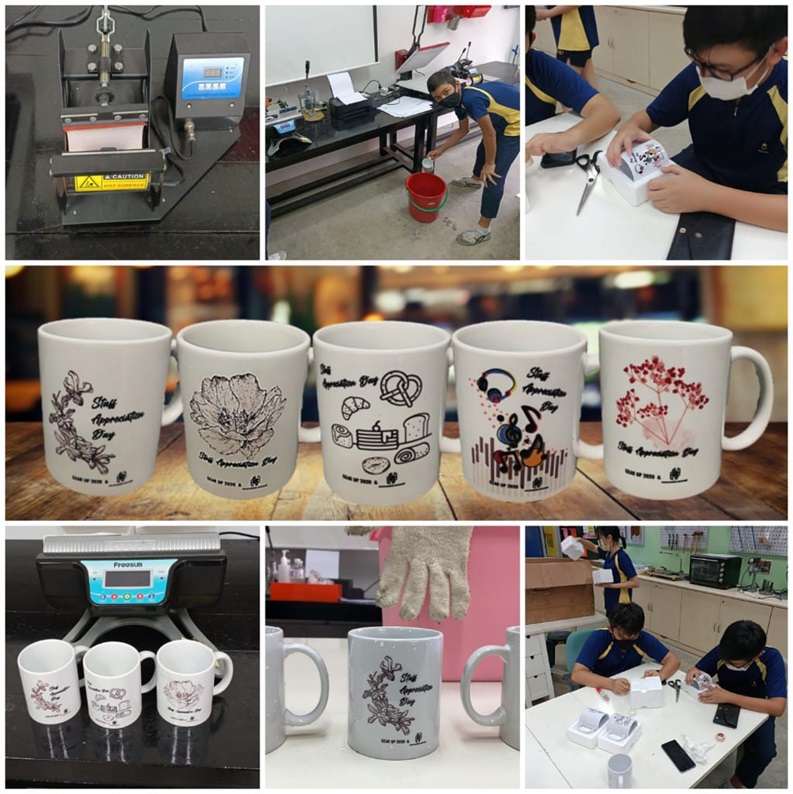
The techniques to print mugs includes sublimation prints. The mug press is similar to the T-shirt press but it is curved to suit the curve of the mug. Students from the Gear Up program prepared 120 mugs for teachers during the Teachers' Day Celebration.
Mod Podge
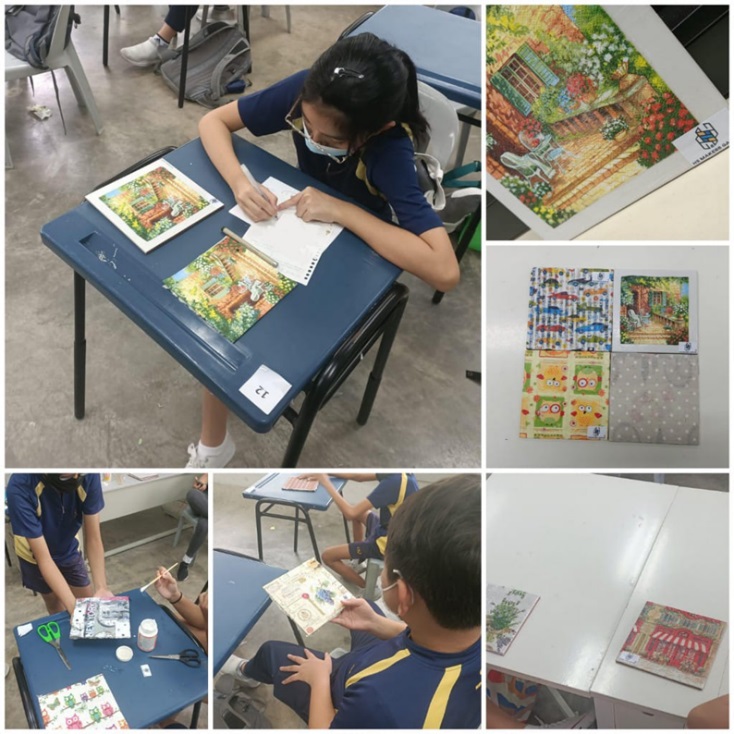
Mod Podge is one of the most well-known craft activity. It is a decoupage medium — an all-in-one glue, sealer and finish used to attach paper and fabric to various surfaces. Students apply paper on ceramic tiles to produce wonderful crafts.
Embroidery
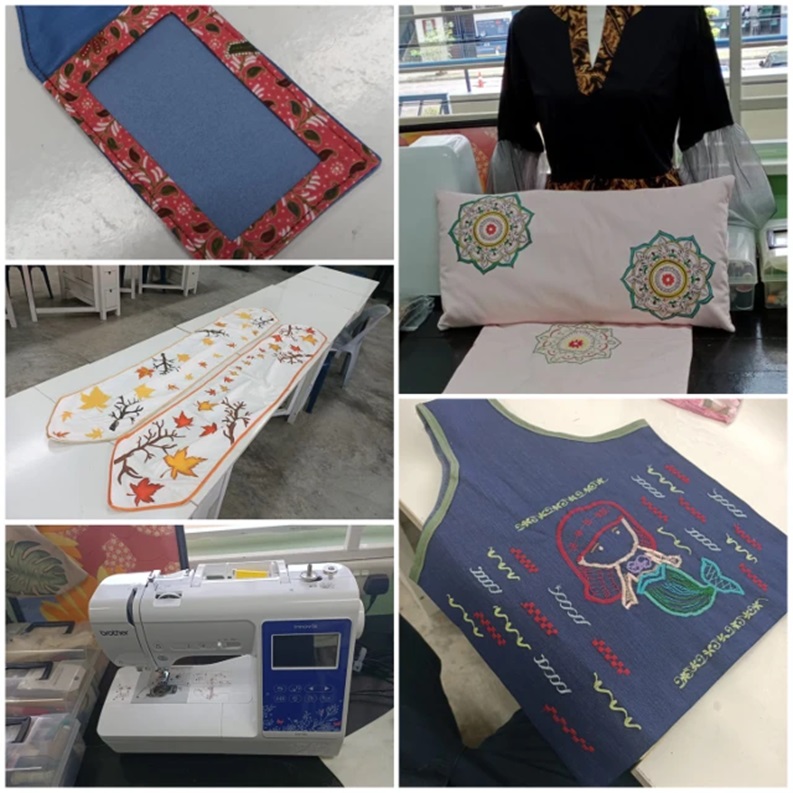
Other than the usual sewing functions, the embroidery machine can create, embellish, personalize and decorate just about any type of fabric. Though embroidery machines are not new, the technology used in our embroidery machine is more advanced and easier to use than ever before.
Badge Making
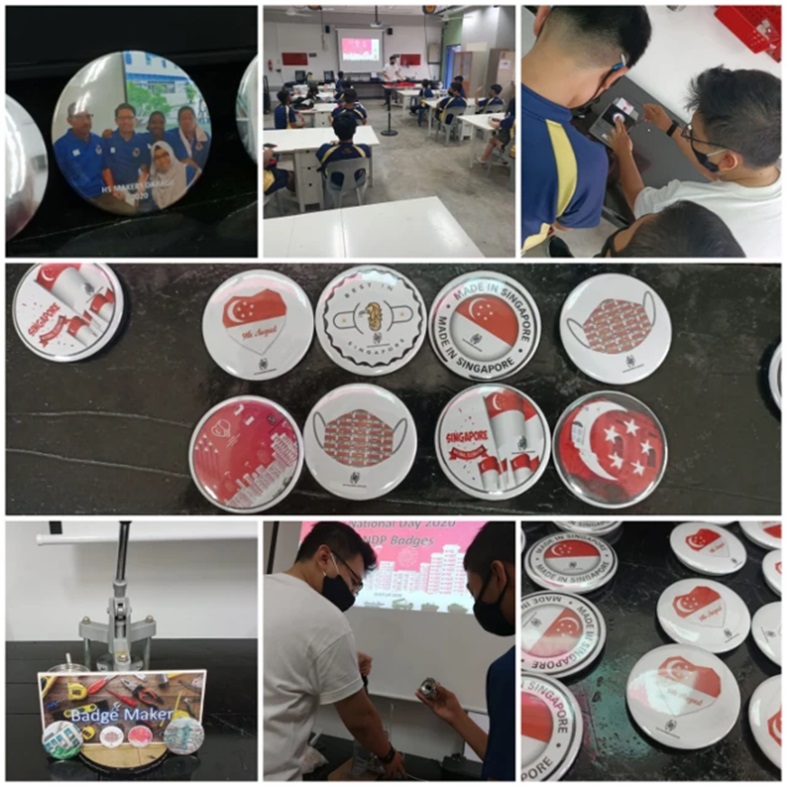
A badge is a special or distinctive mark, token, or device worn as a sign of allegiance, membership, authority or achievement. With our badge maker, students can easily make a badge in two different sizes. This year, the students from the Gear Up program made badges to celebrate National Day. Staff were also welcomed to make personalized badges as mementos of their activities.
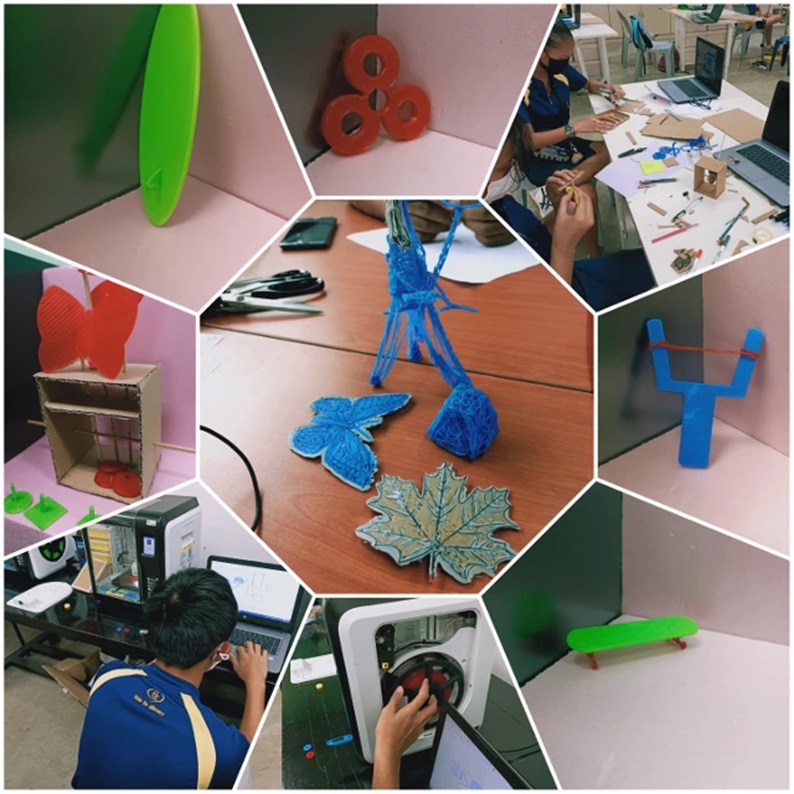
3D PrintingFrom digital designs on your laptops to something tangible that you can hold in your hands. A 3D printer essentially works by extruding molten plastic through a tiny nozzle that it moves around precisely under computer control. It prints one layer, waits for it to dry, and then prints the next layer on top. Students undergo a program to generate ideas, make cardboard mock-ups, produce digital models and print out toys of their own design!
Teacher-Led Workshop
See the full version of this Google embed (opens in new tab).